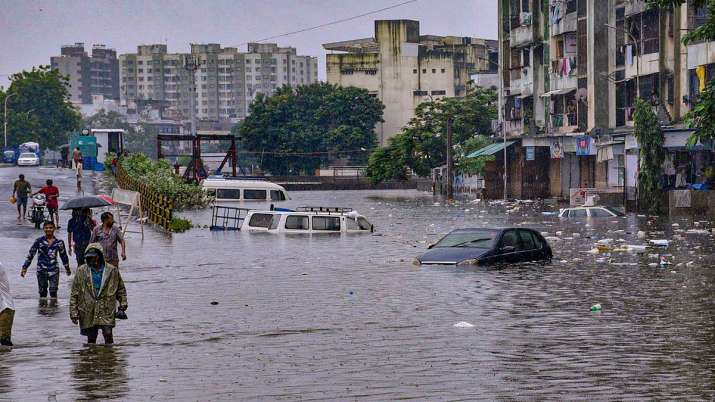
Flooding and Climate Change: A Mutually-Destructive Connection
At this point, the effects of climate change are relatively well known. We know that carbon emissions caused by greenhouse gases are quickly warming the planet and acidifying the oceans, that the polar ice caps are melting, and that the rash of drought and catastrophic weather patterns are all the result of this global warming trend.
But how does climate change affect the record number of floods people have been experiencing around the world, and can anything be done to stop them?
How does climate change affect floods?
According to the UN Environment Programme (UNEP), the rash or unseasonable floods experienced by the U.K.i and Germany are just another symptom of the global disease known as climate change. These extreme floods are the result of a number of factors related to climate change, first among them being a marked increase in precipitation, which in some cases amounted to a month’s worth of rainfall in a mere 48-hour period.
Longer, more intense rainstorms can also contribute to flooding, as can an increase in already severe weather patterns the world over. According to UNEP, higher temperatures means more cloud formation. More clouds can hold more rain, which correlates to a higher frequency, duration, and intensity of rain in many regions both above and below the equator.
Hurricanes are striking harder than ever in the Caribbean, while typhoons and tsunamis strike hard against people living in and around the South Pacific. Rising temperatures make for warmer water, which is needed for hurricanes to form and strengthen. According to the University Corporation for Atmospheric Research (UCAR), climate change is directly responsible for the stronger winds and enhanced precipitation seen in the most recent hurricanes, such as Harvey and Elsa.